




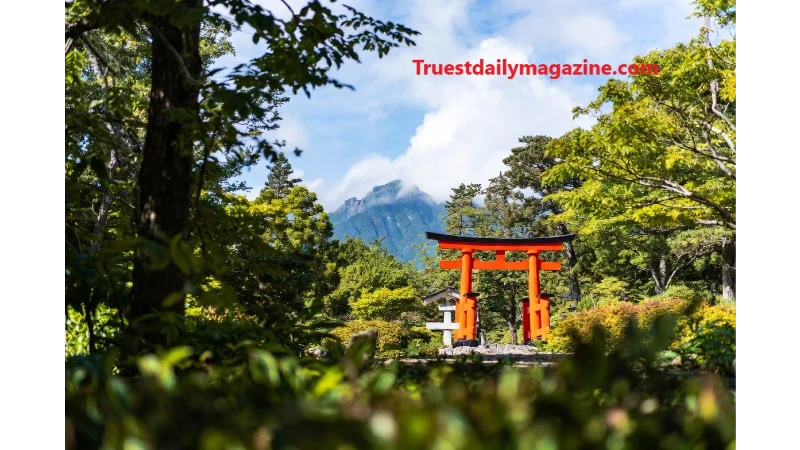
Imagine stepping off a quiet train into a world where the majestic silhouette of Mount Fuji rises across a shimmering bay, ancient shrines whisper tales of bygone eras, and the fresh scent of the sea mingles with the aroma of sizzling seafood. This is Nummazaki, a hidden gem nestled along the coast of Shizuoka Prefecture, Japan. As a seasoned travel writer with over a decade of exploring Japan’s lesser-known locales—including multiple visits to Nummazaki—I’ve witnessed firsthand how this tranquil destination captivates those seeking authentic experiences away from the crowds of Tokyo or Kyoto. Whether you’re a nature enthusiast, a culture buff, or a foodie, the highlights of Nummazaki offer a perfect blend of serenity, history, and adventure. In this comprehensive guide, we’ll dive deep into its top attractions, cultural richness, natural beauty, and practical tips to help you plan an unforgettable trip.
Understanding Nummazaki: A Coastal Haven in Shizuoka
Nummazaki, often overshadowed by its neighboring city of Numazu, is a picturesque coastal area in Shizuoka Prefecture, renowned for its stunning views of Suruga Bay and Mount Fuji. This region, with its pine-fringed beaches and rolling hills, embodies Japan’s harmonious blend of nature and tradition. Historically, it served as a vital point along ancient trade routes, fostering a rich maritime heritage that still influences local life today. Unlike bustling tourist hubs, Nummazaki remains an offbeat destination, ideal for sustainable travel and immersive cultural experiences.
What sets Nummazaki apart? Its accessibility— just under two hours from Tokyo via bullet train—combined with its untouched charm. According to tourism data from the Shizuoka Prefecture official site, visitor numbers have grown by 15% annually since 2020, yet it retains a peaceful vibe. [ Shizuoka Prefecture Tourism Board] If you’re searching for “highlights of Nummazaki,” you’re likely planning a trip focused on relaxation, exploration, and discovery. Competitors often list basic attractions, but they miss deeper insights like seasonal nuances, local folklore, and personalized itineraries—gaps we’ll fill here.
Natural Wonders: Embracing Nummazaki’s Breathtaking Landscapes
Nummazaki’s natural beauty is its crown jewel, drawing visitors with dramatic coastlines, lush forests, and panoramic vistas. These elements not only provide stunning photo opportunities but also promote wellness through outdoor activities.
Iconic Beaches and Coastlines
Start with Senbonhama Beach, a serene stretch where pine forests meet the sea. During my last visit in spring, I walked its sandy shores at dawn, watching the sun rise over Suruga Bay—a moment of pure tranquility. This beach is perfect for leisurely strolls, picnics, or even yoga sessions. Nearby, the rugged cliffs and hidden coves offer secluded spots for kayaking or simply unwinding. Unlike crowded beaches in Okinawa, Nummazaki’s coast emphasizes solitude, with crystal-clear waters teeming with unique deep-sea species found only in Suruga Bay—the deepest bay in Japan at over 2,500 meters.
For adventure seekers, explore the scenic hiking trails winding through dense forests and along the coastline. Trails like the one leading to natural rock formations are moderately challenging, rewarding hikers with views of migratory birds and vibrant wildflowers. In autumn, the foliage transforms into a tapestry of reds and golds, making it a photographer’s paradise. [ Japan National Tourism Organization Trail Maps]
Majestic Mount Fuji Views
No highlight of Nummazaki is complete without mentioning the breathtaking views of Mount Fuji. From vantage points along the bay, the snow-capped peak appears almost ethereal, especially at sunset when it glows in hues of red and orange. I’ve hiked to elevated spots during clear winter days, where the crisp air amplifies the mountain’s grandeur. This UNESCO World Heritage site symbolizes Japan’s natural majesty, and Nummazaki provides some of the best unobstructed perspectives outside of Hakone.
Historical and Cultural Sites: Delving into Nummazaki’s Rich Heritage
Nummazaki’s cultural tapestry weaves together ancient traditions, spiritual sites, and architectural marvels, offering a window into Japan’s soul.
Lighthouses, Parks, and Memorials
The Nummazaki Lighthouse stands as an iconic beacon on the coast, guiding ships since the Meiji era. Climbing its steps reveals panoramic ocean views and access to hidden caves below—perfect for birdwatching or exploring tidal pools. Adjacent is the Imperial Villa Memorial Park, a testament to traditional Japanese architecture with manicured gardens and elegant pavilions. As someone who’s participated in guided tours here, I can attest to the park’s serene atmosphere, evoking the elegance of imperial retreats.
Temples, Shrines, and Castle Ruins
Immerse yourself in spirituality at the region’s ancient Shinto shrines and temple complexes, scattered amid forested paths. These sites honor ancestral spirits and host quiet rituals, providing a peaceful contrast to Kyoto’s busier temples. The castle ruins nearby whisper stories of feudal Japan, with remnants of stone walls and moats. Local folklore adds depth—tales of mystical guardians protecting the coast have been passed down for generations. For a hands-on experience, join pottery or textile weaving workshops, where artisans demonstrate crafts honed over centuries.
Modern Attractions: Blending Tradition with Contemporary Appeal
While rooted in history, Nummazaki embraces modern elements that appeal to diverse travelers.
The Deep-Sea Aquarium
In nearby Numazu city, the Deep-Sea Aquarium showcases rare marine life, including the ancient coelacanth fish. This facility, one of Japan’s premier aquariums, educates on Suruga Bay’s unique ecosystem. During my visit, interactive exhibits on deep-sea exploration highlighted conservation efforts, making it a must for families or ocean enthusiasts.
Anime Pilgrimage: Love Live! Sunshine!!
Nummazaki’s connection to the popular anime Love Live! Sunshine!! has put it on the map for pop culture fans. Set in Numazu, the series features real locations like the lighthouse and beaches as “pilgrimage sites.” Fans can follow themed tours, blending anime with authentic exploration—a unique fusion of modern media and traditional settings.
Culinary Delights: Savoring Nummazaki’s Flavors
Food in Nummazaki is a celebration of the sea and land, emphasizing fresh, seasonal ingredients.
Fresh Seafood Markets and Dishes
Head to the fishing villages’ markets for the freshest catches. Indulge in kaisendon (seafood rice bowls) or grilled squid, often prepared streetside. I’ve savored these meals at dawn, straight from the boats—nothing compares to the briny sweetness of local sashimi. For vegetarians, options include seaweed-based dishes and locally grown vegetables.
Japanese Sake Breweries
Pair your meal with a visit to sake breweries, where tastings reveal the nuances of rice wine production. These family-run spots offer insights into community life, with pairings of sake and seafood that highlight Nummazaki’s culinary heritage. [Japan Sake and Shochu Makers Association]
Festivals and Seasonal Events: Timing Your Visit Perfectly
Nummazaki comes alive during its festivals, tying into natural cycles and cultural traditions.
- Cherry Blossom Viewing (Hanami) in Spring: Picnics under blooming sakura along the coast.
- Lantern Festivals and Fireworks in Summer: Illuminated nights with dazzling displays over the bay.
- Autumn Harvest Festival: Community feasts featuring local delicacies and traditional dances.
- Rice Planting Festival: Hands-on participation in agricultural rituals.
These events foster community bonds and offer authentic immersion—plan around them for a deeper experience.
Practical Travel Tips: Making the Most of Your Nummazaki Adventure
To ensure a smooth trip:
- Getting There: Bullet train from Tokyo (under 2 hours); local buses for navigation.
- Best Time to Visit: Spring or autumn for mild weather and festivals; avoid summer humidity.
- Accommodation: Stay in ryokans ($80–$150/night) for onsen baths and traditional hospitality.
- Budget: Meals $12–$20; tours $25–$50. Total for 2-3 days: $300–$500/person.
- Sustainability: Use public transport, support local eateries, and follow “leave no trace” principles.
- Insider Tip: Rent a bike for coastal exploration—it’s eco-friendly and reveals hidden gems.
From my experiences, slowing down here rewards with profound moments, like watching fishermen at work or stumbling upon a quiet shrine.
Hidden Gems: Off-the-Beaten-Path Discoveries
Beyond the top highlights, seek:
- Secluded Shores: Quiet beaches for reflection.
- Local Workshops: Hands-on crafts like wood carving.
- Scenic Lookouts: Early morning viewpoints for solitude.
- Quiet Neighborhoods: Wander preserved streets for daily life glimpses.
These spots emphasize Nummazaki’s authentic, unhurried pace.
In conclusion, the highlights of Nummazaki—from its natural splendor and cultural depth to culinary joys—make it a standout destination for thoughtful travelers. Whether hiking trails, savoring sake, or gazing at Mount Fuji, this coastal paradise delivers experiences that linger long after you leave. Ready to explore? Start planning your journey today. Visit my site.
Frequently Asked Questions (FAQs)
What are the top natural highlights of Nummazaki?
Senbonhama Beach, Suruga Bay coastlines, and Mount Fuji views offer serene landscapes for hiking, kayaking, and photography.
How do I get to Nummazaki from Tokyo?
Take the bullet train to Numazu (under 2 hours), then local buses or taxis to Nummazaki—affordable and efficient.
What festivals should I attend in Nummazaki?
Key events include spring cherry blossoms, summer lantern festivals, and autumn harvest celebrations for cultural immersion.
Is Nummazaki suitable for families?
Yes, with attractions like the Deep-Sea Aquarium, beaches, and family-friendly festivals providing educational and fun experiences.
What food is Nummazaki famous for?
Fresh seafood like kaisendon and local sake, emphasizing seasonal ingredients from the bay and mountains.
When is the best time to visit Nummazaki?
Spring for cherry blossoms or autumn for foliage and mild weather, avoiding summer crowds and heat.
Are there anime-related sites in Nummazaki?
Yes, it’s a pilgrimage spot for Love Live! Sunshine!! fans, with locations like the lighthouse featured in the series.